



What Hail Damage Really Does to Your Roof
What Hail Damage Really Does To Your Roof

FSDAVCFEBFEVSDDVFSD

FSDAVCFEBFEVSDDVFSD

FSDAVCFEBFEVSDDVFSD
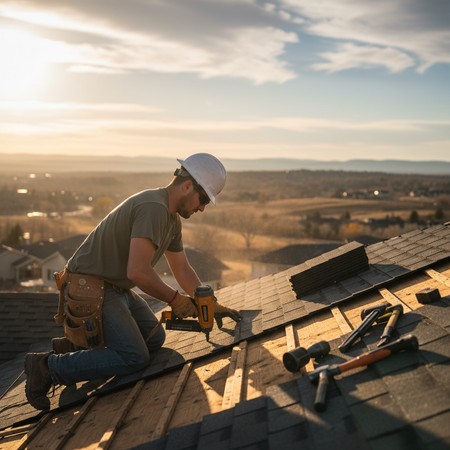
Why Colorado Hail Is Hard On Roofs
Choosing a roofing contractor after a storm is stressful. Homeowners often feel unsure who to trust, what their insurance actually covers, and whether the damage they see on the surface reflects what is happening underneath. Getting clear, reliable information early in the process makes a real difference in how smoothly the project goes from start to finish.
This article walks through the most common questions homeowners in Parker, Centennial, and Castle Rock ask when dealing with hail damage. From spotting soft spots on shingles to understanding insurance adjusters, knowing what to expect puts you in a much stronger position before any work begins on your roof.
Why Colorado Hail Is Hard On Roofs
Choosing a roofing contractor after a storm is stressful. Homeowners often feel unsure who to trust, what their insurance actually covers, and whether the damage they see on the surface reflects what is happening underneath. Getting clear, reliable information early in the process makes a real difference in how smoothly the project goes from start to finish.
This article walks through the most common questions homeowners in Parker, Centennial, and Castle Rock ask when dealing with hail damage. From spotting soft spots on shingles to understanding insurance adjusters, knowing what to expect puts you in a much stronger position before any work begins on your roof.
Spotting The Signs Of Hail Impact Damage
The most obvious sign of hail damage on asphalt shingles is granule loss. After a storm, check your downspouts and gutters , if you see a dark, gritty buildup of granules washing out, your shingles took a hit. New hail impacts leave circular, sometimes bruised-looking bare spots where granules have been knocked clean off the surface. These spots look darker than the surrounding shingle and may feel soft when pressed.
Cracked or split shingles are another clear indicator, particularly on older roofs where the shingles were already becoming brittle from age and UV exposure. The combination of a weakened shingle and a direct hail impact can cause splits along the edges or even through the center of the tab. Cracked shingles no longer shed water correctly and allow moisture to work its way under the shingle course.
Metal surfaces on your roof , flashing, vents, pipe boots, and ridge caps , also show hail damage clearly. Dents or dings on these components confirm that hail hit your roof with enough force to cause real structural damage. If you see denting on your gutters or metal trim, there is a very good chance your shingles took similar or worse damage directly above.
Why Hail Damage Is Not Always Obvious
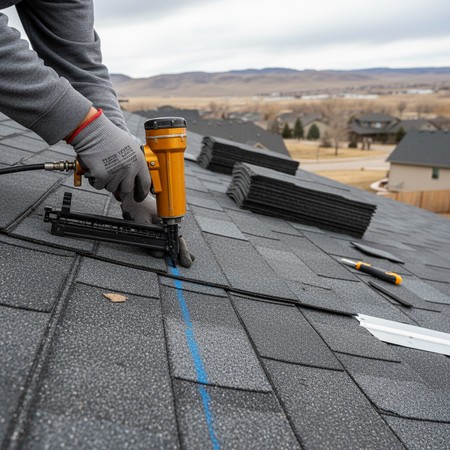
Hail damage is not always obvious from the ground. Small dents on shingles can look minor but strip away the protective granule layer that shields the asphalt beneath. Once that layer is gone, UV exposure and moisture start breaking down the shingle quickly, leading to leaks months after the storm has passed.
The size of the hail matters, but so does the age of your roof and the angle of impact. Older shingles crack more easily. Steep pitches take hits differently than low-slope sections. A trained eye can tell the difference between cosmetic scuffs and structural compromise.
Gutters are one of the first places to check. If you see granule buildup collecting at the downspout after a storm, that is a strong indicator your shingles took meaningful damage. That granule loss is permanent and signals the roof needs professional evaluation.
Why Hail Damage Is Not Always Obvious
Hail damage is not always obvious from the ground. Small dents on shingles can look minor but strip away the protective granule layer that shields the asphalt beneath. Once that layer is gone, UV exposure and moisture start breaking down the shingle quickly, leading to leaks months after the storm has passed.
The size of the hail matters, but so does the age of your roof and the angle of impact. Older shingles crack more easily. Steep pitches take hits differently than low-slope sections. A trained eye can tell the difference between cosmetic scuffs and structural compromise.
Gutters are one of the first places to check. If you see granule buildup collecting at the downspout after a storm, that is a strong indicator your shingles took meaningful damage. That granule loss is permanent and signals the roof needs professional evaluation.
Insurance adjusters work for the insurance company, not for you. That does not mean they are dishonest, but their assessments can miss items that an experienced roofer would flag , drip edge damage, flashing separation, or underlayment issues that only become visible once the old material is lifted. Having your own contractor present during the adjuster visit gives you documentation and a second set of eyes.
Once a claim is approved, your insurer will issue a scope of loss document outlining what they will pay for. Review this carefully with your roofer before signing anything. Some line items get missed on first review and can be supplemented later. Knowing that process ahead of time prevents surprises and keeps the project on track without unnecessary delays.
How A Professional Inspection Changes The Outcome
When the claim is approved and materials are ordered, most homeowners want the work done immediately. That is completely understandable. However, scheduling depends on crew availability, material lead times, and weather windows. A reputable roofer will give you a realistic install date rather than an optimistic one that gets pushed back repeatedly.
On installation day, the crew removes your old roofing system down to the decking. Any soft, rotted, or water-damaged sections of decking get replaced before new material goes down. This step matters because new shingles installed over compromised decking will fail faster than they should, regardless of the shingle brand or warranty.
After the new shingles are installed, a final inspection checks ridge caps, flashing around chimneys and vents, and the overall alignment of the field. Your contractor should walk you through what was done, show you photos of any decking repairs made, and leave your property clean with all debris removed.
When To Replace Versus Repair After Hail
Once your roof is replaced, the work does not stop there. The first year is important for catching any installation issues early , small flashing gaps or ridge cap movement can show up after the first heavy rain or freeze cycle, and addressing them promptly prevents larger problems from developing.
Manufacturer warranties cover the shingles themselves, but workmanship warranties cover how they were installed. These are separate documents with different terms. Make sure you receive both in writing before the contractor leaves your property. Filing them somewhere accessible saves time if you ever need to make a claim down the road.
Routine inspections every two to three years, or after any major storm, help catch small issues before they turn into full interior water damage. A quick visual check of the ridge, valleys, and flashing goes a long way toward protecting the investment you just made.
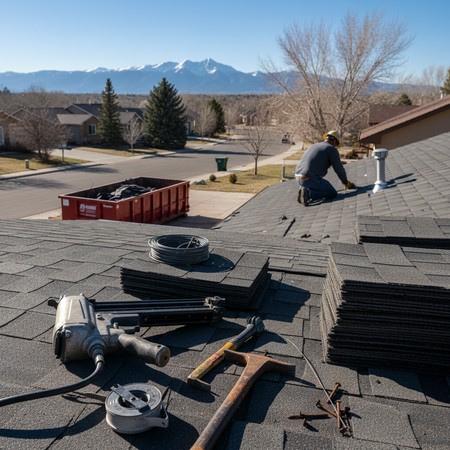
Parker, Centennial, and Castle Rock sit in areas of Colorado that see some of the most active hail seasons in the country. Front Range storms can drop golf-ball-sized hail with little warning, and roofs that look fine from the street can have significant granule loss across the entire field by the time the storm clears.
Our team has worked through dozens of hail seasons in this region and understands exactly what local insurance companies look for when assessing claims. We know which damage qualifies, how to document it correctly, and how to work with adjusters so nothing gets missed. If your neighbors are getting new roofs after a storm, there is a good reason to have your roof checked as well , storm damage rarely stays isolated to one address on a block.
Getting Your Roof Inspected After Colorado Hail
Hail season in Colorado is not a maybe . it happens every year, and the Front Range takes some of the hardest hits. Having a roofer you trust before a storm rolls through is far better than scrambling to find someone reputable while your neighbors are all doing the same thing. Getting a relationship established now means faster response when it matters most.
If you already have damage and are not sure whether it qualifies for an insurance claim, the smartest first move is a free inspection. Our team will walk your roof, document what we find with photos, and give you an honest assessment without any pressure to commit to anything on the spot. You will know exactly where you stand before making any decisions.
Reach out to schedule your inspection with our team in Parker. We serve homeowners across Parker, Centennial, and Castle Rock, and we are straightforward about what we find, what it costs, and what your options are.

Roof Ready
Roof Replacement & Hail Damage Roof Replacement
Stay Informed About Your Roof
Get practical roofing articles, hail season updates, and helpful cost breakdowns sent straight to you.
Stay Informed About Your Roof
Get practical roofing articles, hail season updates, and helpful cost breakdowns sent straight to you.
Contact Info
Service Hours
Social Media
Mon-Fri: Open 24 Hours
Saturday: Open 24 Hours
Sunday: 9:00 AM – 5:00 PM



Licensed & Insured

Connect With Our Socials
Contact Info
Service Hours
Mon-Fri: Open 24 Hours
Saturday: Open 24 Hours
Sunday: 9:00 AM – 5:00 PM
Social Media
Licensed & Insured
Powered by: Customers Plus
Powered by: Customers Plus