



Understanding Your Roofing Estimate
Understanding A Detailed Roofing Estimate

FSDAVCFEBFEVSDDVFSD

FSDAVCFEBFEVSDDVFSD

FSDAVCFEBFEVSDDVFSD
What A Roofing Estimate Should Actually Include
Most homeowners do not think about a roof estimate until something goes wrong , a leak after a heavy rain, visible shingle damage after a hail storm, or a home inspection report flagging the roof before a sale. At that point, getting an accurate written estimate quickly becomes the priority. Knowing what the work actually costs, and what materials will be used, gives you a real basis for decisions rather than relying on a verbal ballpark from a contractor standing at the curb.
A free roof estimate from a licensed contractor does more than put a number on paper. It documents current roof conditions, identifies problem areas, and outlines the recommended scope of work. This information is valuable whether you are filing an insurance claim, planning a replacement on your own timeline, or simply trying to understand the current condition of your home's most important protective system.
What A Roofing Estimate Should Actually Include
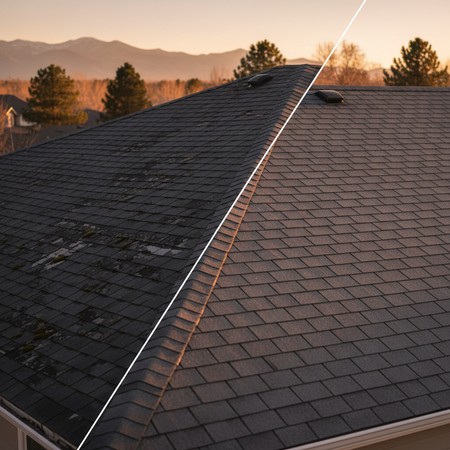
Most homeowners do not think about a roof estimate until something goes wrong , a leak after a heavy rain, visible shingle damage after a hail storm, or a home inspection report flagging the roof before a sale. At that point, getting an accurate written estimate quickly becomes the priority. Knowing what the work actually costs, and what materials will be used, gives you a real basis for decisions rather than relying on a verbal ballpark from a contractor standing at the curb.
A free roof estimate from a licensed contractor does more than put a number on paper. It documents current roof conditions, identifies problem areas, and outlines the recommended scope of work. This information is valuable whether you are filing an insurance claim, planning a replacement on your own timeline, or simply trying to understand the current condition of your home's most important protective system.
Materials Listed On Your Estimate Really Matter
A free roof estimate sounds simple, but what you get from it depends entirely on who is doing the inspection. A quick walk-around with no documentation does not give you much to work with. A proper estimate includes a written scope of work, itemized material costs, labor, and a clear description of what needs to be replaced and why. That document is what protects you when comparing bids.
Insurance claims are another area where a detailed estimate becomes essential. After a hail storm, your insurer will send an adjuster to assess the damage. Having your own written estimate from a licensed contractor gives you a second data point , and often a more accurate one. Contractors who work regularly with insurance companies know how to document damage in a format that speeds up the approval process.
Getting an estimate does not mean you are committed to anything. It simply means you have the information you need to make a confident decision. Many homeowners find during a free inspection that their roof has damage they were not aware of , or that a repair is sufficient rather than a full replacement. Either way, knowing the truth early saves time and money.
Labor And Removal Costs Explained Clearly
Labor charges should be listed separately from materials in any honest estimate. A combined single number makes it difficult to know what you are paying for each part of the job. Reputable contractors are generally willing to break this down when asked, and doing so helps you compare bids from different companies on an equal basis.
Removal and disposal are often listed as their own line items. This covers the cost of removing your existing shingles, hauling away the debris, and disposing of it properly. In some cases, homeowners have two or more layers of old roofing that need to come off, which adds time and cost. A detailed estimate will note how many layers are being removed.
If a bid leaves out removal entirely, that is worth asking about directly. Some contractors price a new layer over the old roof rather than a full removal, which costs less upfront but can cause problems down the road.
Labor And Removal Costs Explained Clearly
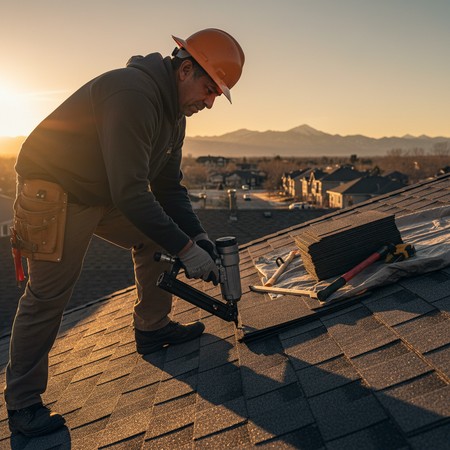
Labor charges should be listed separately from materials in any honest estimate. A combined single number makes it difficult to know what you are paying for each part of the job. Reputable contractors are generally willing to break this down when asked, and doing so helps you compare bids from different companies on an equal basis.
Removal and disposal are often listed as their own line items. This covers the cost of removing your existing shingles, hauling away the debris, and disposing of it properly. In some cases, homeowners have two or more layers of old roofing that need to come off, which adds time and cost. A detailed estimate will note how many layers are being removed.
If a bid leaves out removal entirely, that is worth asking about directly. Some contractors price a new layer over the old roof rather than a full removal, which costs less upfront but can cause problems down the road.
Shingle condition is one of the first things our crew checks during any inspection. Asphalt shingles that have lost significant granule coverage are no longer doing their job effectively. Water can work through the mat layer and reach the decking below, causing rot and structural issues that cost far more to fix than the shingles themselves. Catching this early through a proper inspection avoids much larger problems down the road.
Flashing is another area that often goes unnoticed until it fails. Gaps or corrosion around chimneys, vents, and skylights are among the most common sources of interior water damage. An inspection that only looks at shingles and misses the flashing is not giving you a complete picture. Our team checks every component of the roof assembly and provides a written summary of what was found and what, if anything, needs attention.
What Insurance Estimates Miss On Your Roof
When your roof is damaged by a hail storm, your insurance company will send an adjuster to assess the damage and produce their own estimate. That document is not the final word on what your replacement will cost. It is a starting point, and in many cases it does not fully account for current material prices, local labor rates, or code upgrades required in your area.
Code upgrades are a common source of confusion. Many older homes were built to standards that no longer meet current local building codes. When a roof is replaced, contractors are required to bring certain items up to current code, such as updated ventilation or drip edge installation. Insurance estimates do not always include these costs automatically, which means a gap can appear between what the insurer pays and what the job actually requires.
Working with a contractor who has experience reviewing insurance estimates helps close that gap. Our team reviews adjuster reports alongside our own inspection findings, identifies any items that may have been missed, and communicates directly with the insurer when a supplement is warranted. That process protects you from paying out of pocket for work that should be covered.
Comparing Multiple Bids Without Getting Confused
When you receive two or three roofing estimates, comparing them side by side is harder than it sounds. Price differences alone do not tell you much if the scope of work is different across each bid. The only way to compare accurately is to make sure every estimate covers the same materials, the same removal process, the same warranties, and the same project scope.
Start by checking the shingle product listed in each estimate. If one bid specifies a premium architectural shingle and another lists a basic three-tab, the price gap may simply reflect that difference rather than one contractor being cheaper. Apples-to-apples comparison requires matching product grades before drawing any conclusions about cost.
Also check what each estimate says about cleanup and final inspection. A lower bid that skips a post-installation walkthrough or does not include magnetic nail sweeps could cost more in the long run if small issues go unnoticed after the crew leaves.
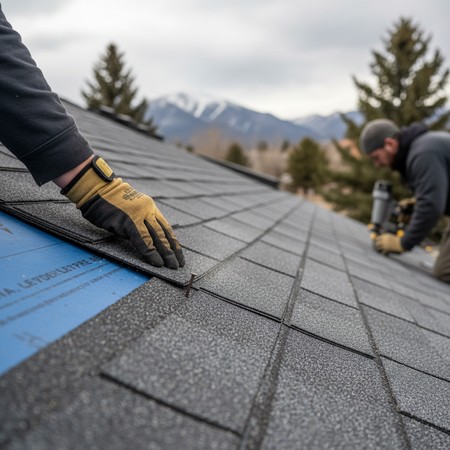
A written estimate also helps homeowners see which material options fit their budget and their home. Not every roof requires the same shingle weight, underlayment grade, or ventilation setup. When our crew inspects your roof, they consider your home's pitch, attic conditions, and existing decking before recommending a specific material package. That context makes a real difference in the final result.
Homeowners in Parker, Centennial, and Castle Rock regularly reach out after getting a vague quote from another contractor. Our estimates spell out every line item , materials, labor, disposal, and any code-required upgrades , so you know exactly what you are paying for and why. That level of detail makes comparing quotes much easier and takes the uncertainty out of a significant home investment.
Getting An Estimate You Can Actually Trust
Getting a free roof estimate before committing to any work is one of the smartest steps a homeowner can take. A written quote gives you a clear picture of material costs, labor, and the full scope of work , no guessing, no surprises when the invoice arrives. Our team walks every roof before putting numbers on paper, so the estimate reflects what the job actually requires.
If your roof sustained hail or wind damage, the estimate also helps when working through an insurance claim. Having a detailed, itemized quote from a licensed contractor gives adjusters the documentation they need to move forward. We work with homeowners throughout Parker, Centennial, and Castle Rock on exactly this type of process every season.
Whether your roof needs a full replacement or you just want a professional opinion on its condition, reaching out costs nothing. The team at our shop is straightforward about what we find and what we recommend. There is no obligation, no pressure , just honest information so you can make the right call for your home and your budget this year.

Roof Ready
Roof Replacement & Hail Damage Roof Replacement
Stay Informed About Your Roof
Get practical roofing articles, hail season updates, and helpful cost breakdowns sent straight to you.
Stay Informed About Your Roof
Get practical roofing articles, hail season updates, and helpful cost breakdowns sent straight to you.
Contact Info
Service Hours
Social Media
Mon-Fri: Open 24 Hours
Saturday: Open 24 Hours
Sunday: 9:00 AM – 5:00 PM



Licensed & Insured

Connect With Our Socials
Contact Info
Service Hours
Mon-Fri: Open 24 Hours
Saturday: Open 24 Hours
Sunday: 9:00 AM – 5:00 PM
Social Media
Licensed & Insured
Powered by: Customers Plus
Powered by: Customers Plus