





What Roof Replacement Means for Littleton Homes
A full roof replacement removes every old layer down to the deck, then rebuilds the system from the wood up. In Littleton, that means checking decking for soft spots, adding ice and water protection, setting fresh flashing, and installing modern underlayment. Cheap patchwork hides problems. A true replacement fixes the parts you never see, so the roof holds through a decade of Front Range storms.
Who needs this? Homeowners with roofs past 20 years, anyone chasing repeat leaks, and families whose shingles took a hail hit last season. Curling shingles, granule piles in the gutter, and sagging sections all point one way. Replacement solves the root cause instead of buying you one more nervous winter. It also settles the question when you sell.
Why Littleton Homeowners Call Roof Ready
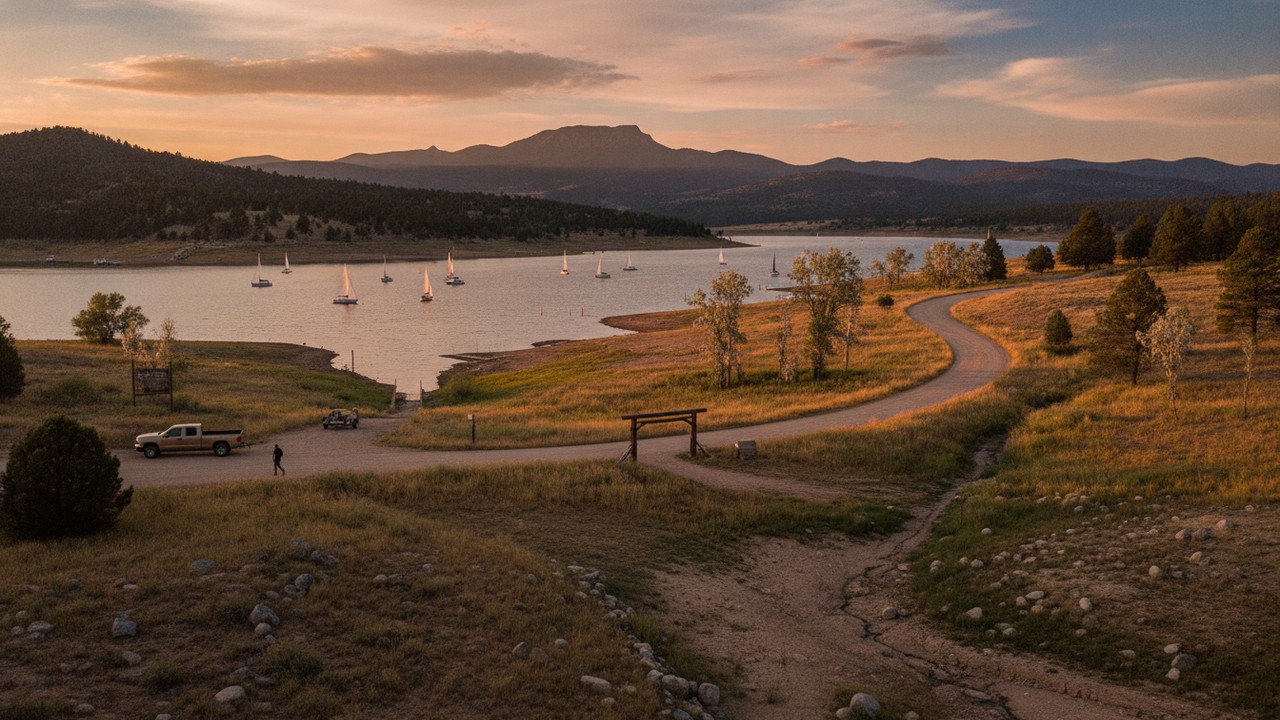
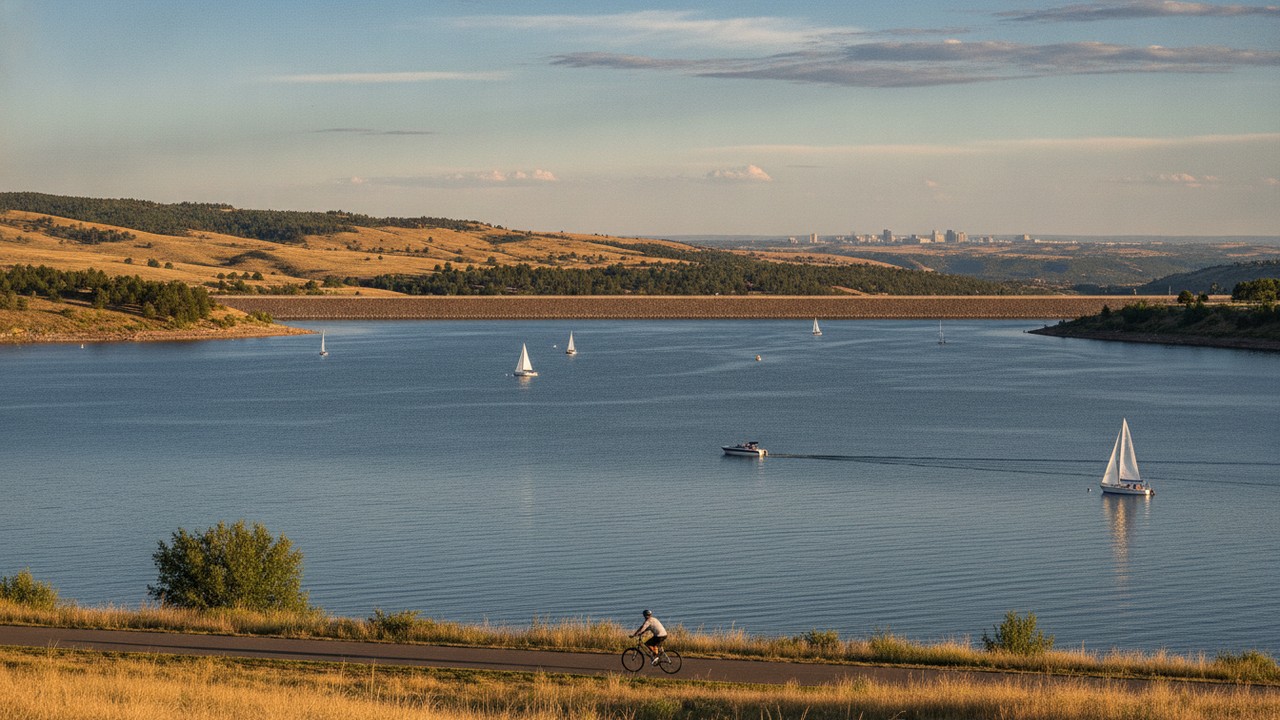
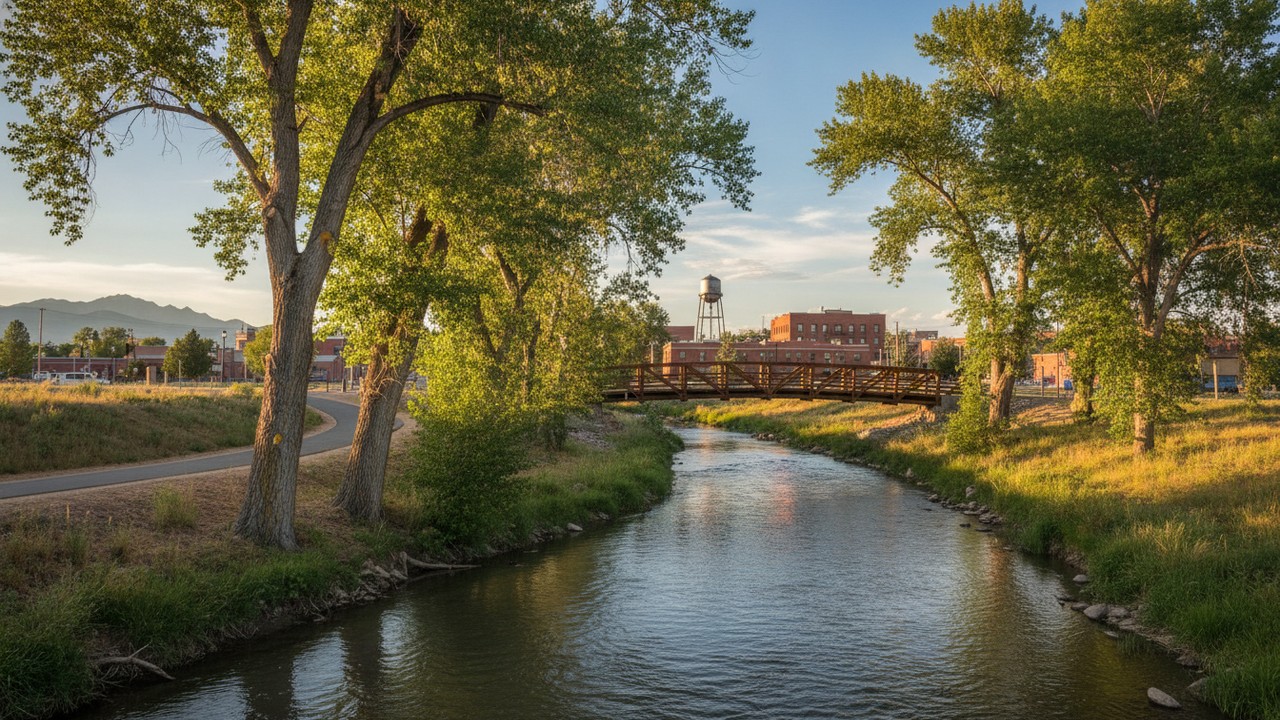
Littleton sits right in the storm path that drops out of the Continental Divide and tracks northeast along the South Platte River valley. We know that pattern well. Homes near Chatfield Reservoir and the foothills take direct wind driven hail that rooftops further east rarely see at the same intensity. Because exposure varies block by block, we match the roofing product to the actual conditions of each home rather than selling the same solution to every street in the area.
Permits matter here, and we handle every part of that process. Littleton requires a permit for any full roof replacement, and skipping that step can void a manufacturer warranty or create real complications when you sell the home later. Our crew files the paperwork with the city, schedules the inspection, and keeps a complete record at every stage. You end up with a roof that passes inspection and documentation that holds up if a question ever comes up down the road.
Class 4 impact resistant shingles are a genuine advantage on the Front Range, and many Colorado insurers offer meaningful premium discounts for homes that carry that rating. We walk you through which specific shingle rating fits your home's exposure, your current policy, and your budget. No pressure, no upsell theater. Just an honest read on what actually stands up to two inch hail when the next storm rolls through.
How a Littleton Roof Replacement Goes
We start with a full inspection. Shingles, flashing, ventilation, decking, and interior leak points all get checked. In Littleton, hidden hail damage often shows up under the surface, so we look past the obvious dents. You get a clear report before anyone quotes a single square.
Next comes removal and deck work. Old material comes off, the deck gets inspected, and any rot or soft wood gets replaced first. Rusted flashings, vents, and edgings are swapped out. This is the step budget crews skip, and it is the one that decides how long your roof lasts.
Then we install. Fresh underlayment, ice and water shield where it counts, new flashing, proper ventilation, and the shingles you picked. Most Littleton homes wrap in one to two days. We clean the yard, sweep for nails, and leave you with a roof ready for the next storm season.
Littleton's elevation works against roofs in ways many owners never realize. At over 5,300 feet, thinner air offers less resistance to falling hailstones, so each impact carries more force than it would at sea level in, say, Houston or Atlanta. Denver area homes also absorb significantly more UV radiation than coastal cities, which bakes granules off asphalt shingles and dries out the fiberglass mat underneath, making it brittle long before its rated lifespan. Add heavy snow load from Front Range storms and the daily freeze thaw cycles that pry open tiny cracks each spring, and a roof here ages noticeably faster than the same shingle would almost anywhere else in the country.
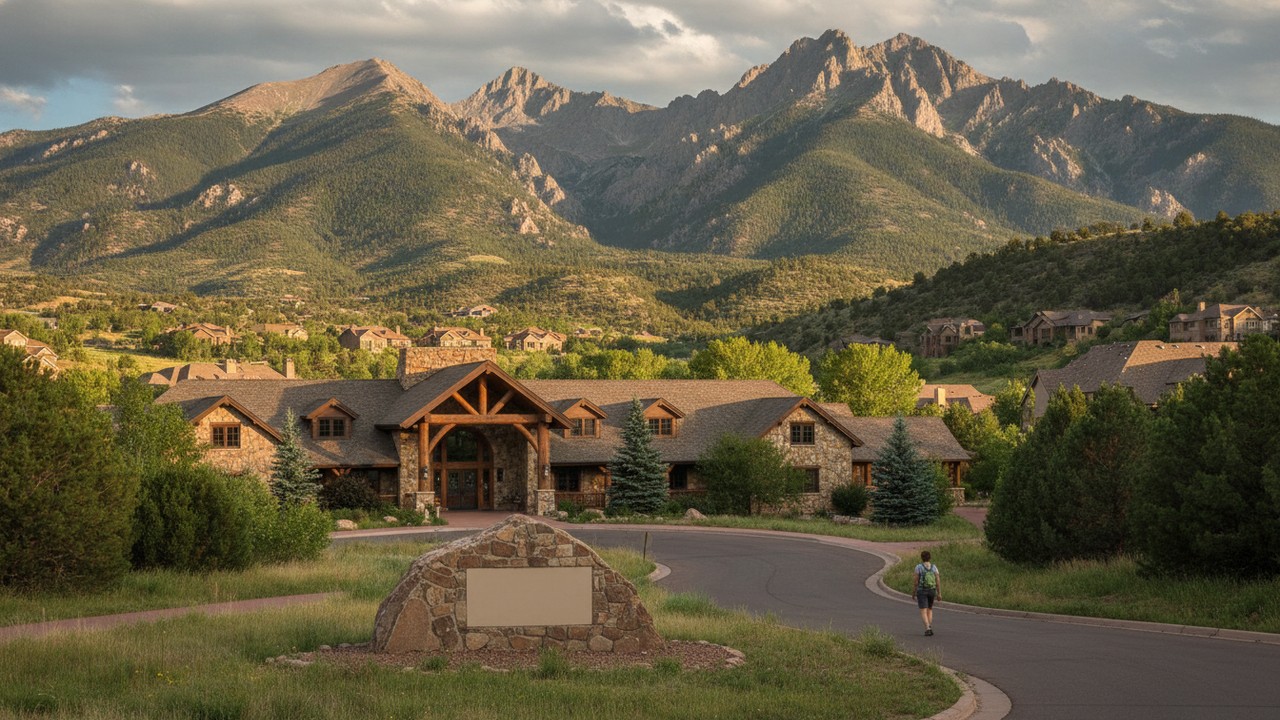
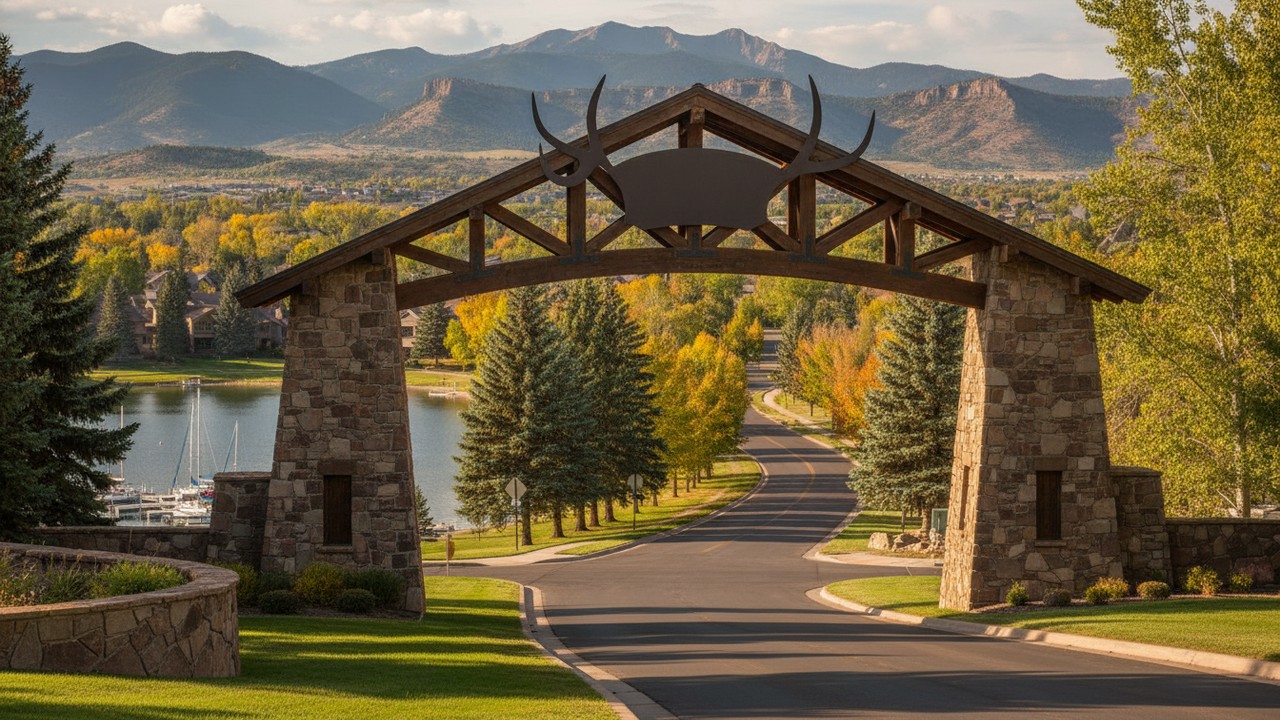
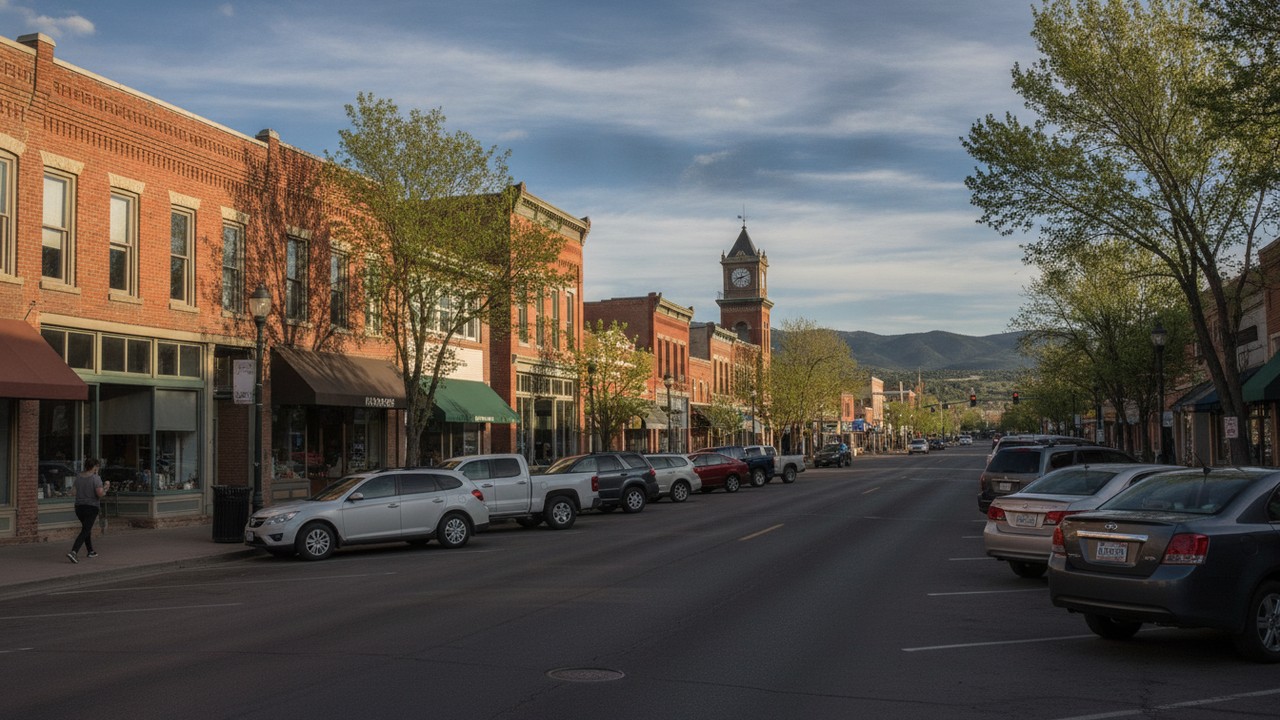
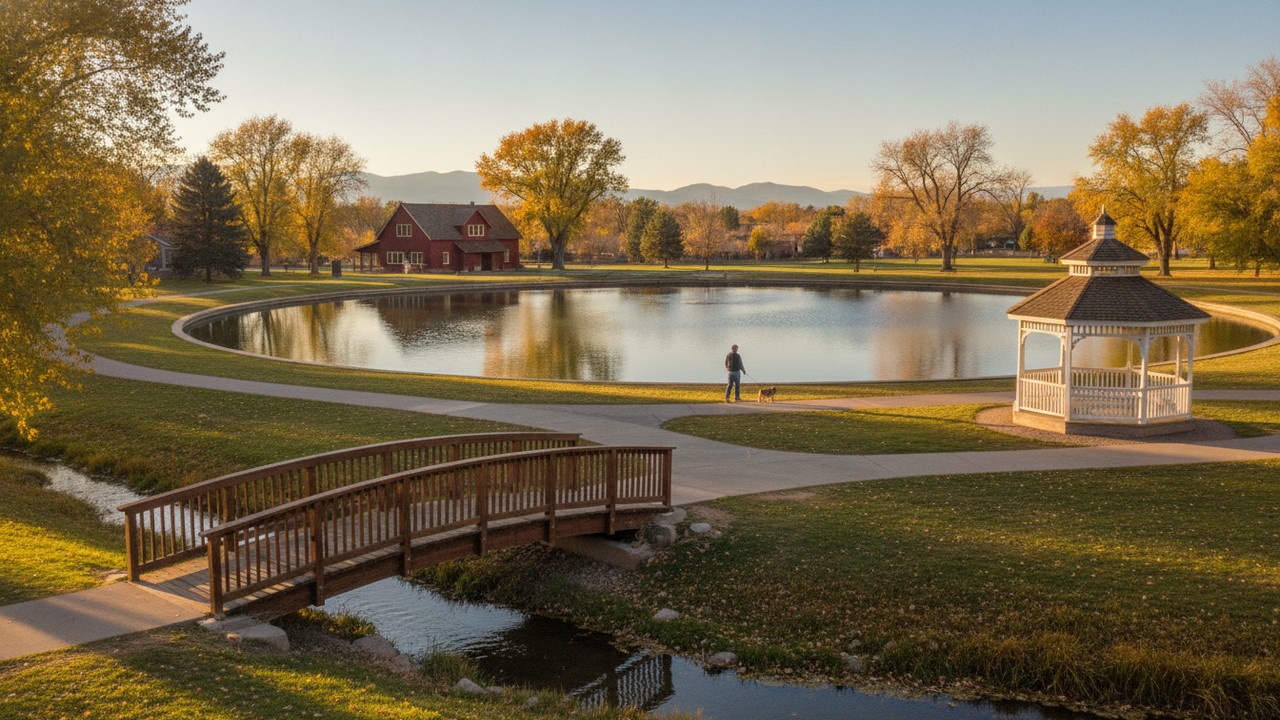
That combination is why we push homeowners to think beyond the cheapest option when it comes time to replace or repair. A roof that looks fine from the driveway can hide bruised shingles, cracked seals around pipe boots and skylights, and clogged ridge ventilation that traps damaging heat in summer. The neighborhoods below sit in some of the busiest storm corridors in the area, and the landmarks nearby mark terrain that channels wind and hail straight onto local rooftops. If you live near any of them, your roof is working harder than most and deserves a closer look.